The builders of the dolmens in the Drents Museum archaeology collection
Finds from Drenthe’s dolmens open a story about early farmers, burial and remembrance. Labyrinthia gives that prehistory an interactive setting.
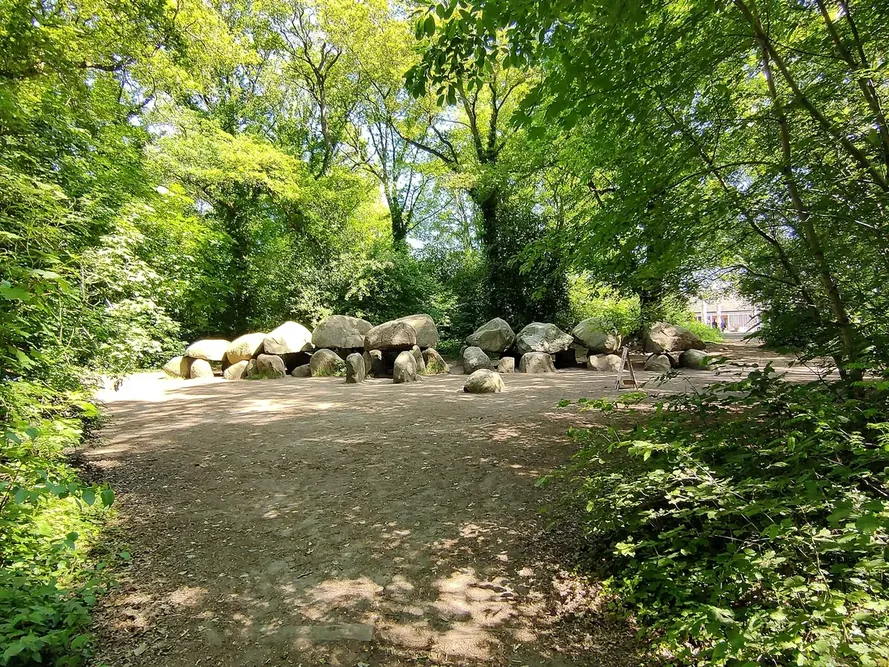
A hunebed, or megalithic tomb, can still be seen in Drenthe’s landscape. The large stones of D27 near Borger, pictured with this story, stand outside the Drents Museum in Assen. Inside, the museum preserves smaller traces that help us understand the people behind such monuments. Its archaeology collection includes finds from Drenthe’s tombs dating to about 3500–3300 BCE. They invite questions about how early farmers lived and buried their dead. The landscape and the objects each tell a different part of the same story.
The collection began modestly: according to the museum, it fitted into a single cabinet at the former Provincial Museum of Antiquities in 1854. Research and excavations later expanded it. Today it includes mammoth bones, Neanderthal finds, coins, jewellery and everyday objects. These do not all date from the time of the tomb builders. The succession of periods gives Drenthe’s prehistory context: people occupied this area long before the first farmers built their burial monuments and continued to live there for centuries afterwards.

Finds from the tombs offer no direct account of their makers’ lives. They require interpretation: what might an object say about a daily ritual, and what about a funeral? The museum asks how the tomb builders commemorated the dead and for whom the burial mounds were made. The view then shifts to the Bronze Age. Grave goods from a burial mound in Drouwen reveal something about differences in status. Archaeology thus does more than order stones and dates; it tries to understand the choices people made.
In Labyrinthia, the Drents Museum’s continuing collection display, archaeology, art and history meet across fifteen rooms. The museum describes interactive elements that evoke a prehistoric landscape. Visitors can feel pottery sherds from the time of the tomb builders and learn about techniques used by mammoth hunters. That brings the distant past closer without presenting the original finds themselves as objects for handling. Which specific dolmen finds are in the galleries on 16 October is not stated; ask about the current selection when you visit.
The Yde Girl also belongs to the archaeology collection, and the museum names her as a highlight of Labyrinthia. Her story deserves its own carefully told object profile, so here she remains part of the wider overview. The collection also shows why finds from peatlands are special: fragile organic remains could survive there. Alongside the girl, the museum names the Pesse canoe and old wooden wheels, for example. Together they broaden the picture of prehistory beyond the dolmens.
Labyrinthia is emphatically more than a silent row of display cases. The museum uses sound, moving images and dark spaces. It warns of a very high level of sensory stimulation, important information for visitors who are easily overwhelmed. Much of the museum can be reached by lift, but part of the historic building is less accessible. Wheelchairs, walkers and folding stools are available; the museum advises booking wheelchairs and walkers in advance. The interactive approach can appeal to families, provided its dark and busy areas suit them.
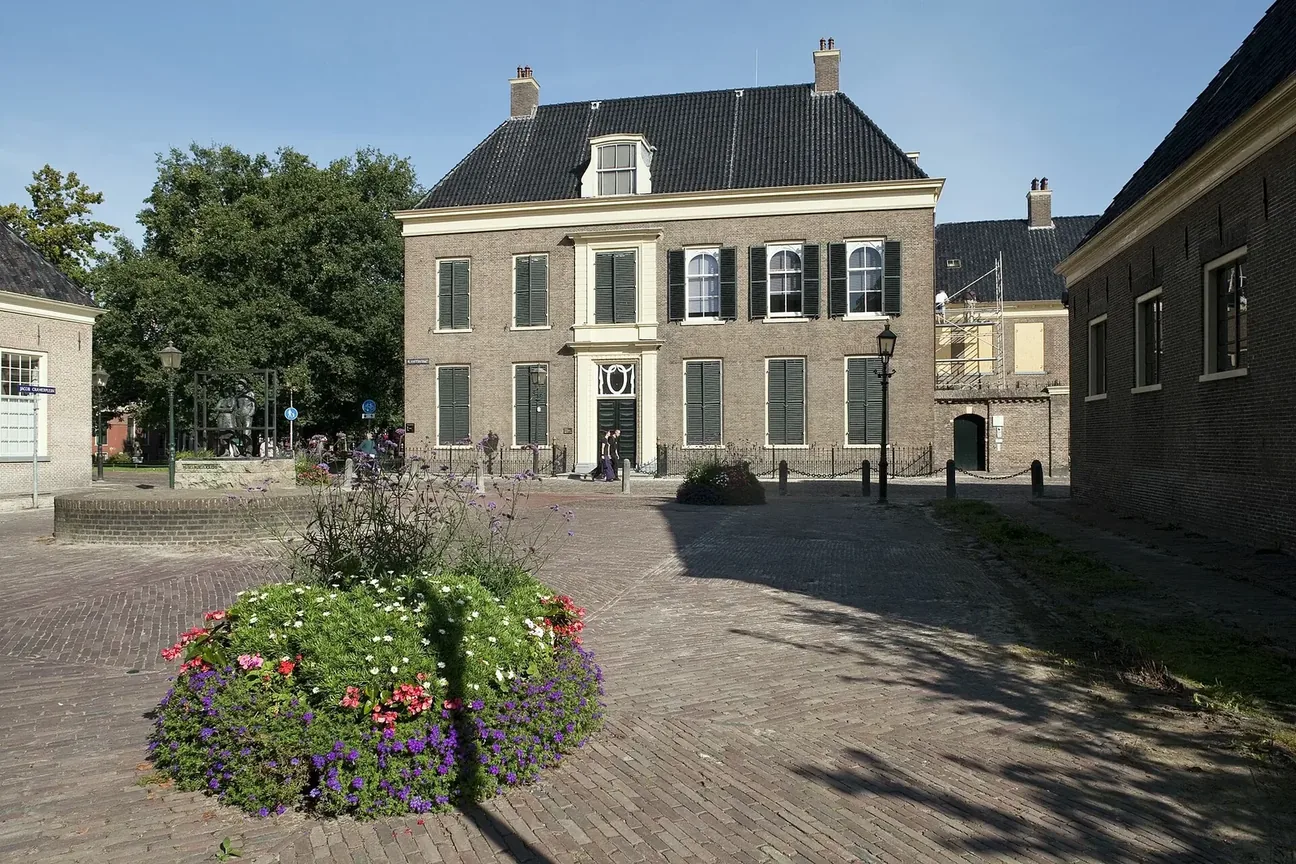
The Drents Museum is at Brink 1, 9401 HS Assen and, under its regular hours, opens from 10 am to 5 pm on Friday 16 October. Payment at the ticket desk is by debit or credit card only. The exhibition Angkor – Het mysterie van Cambodja begins on 17 October.