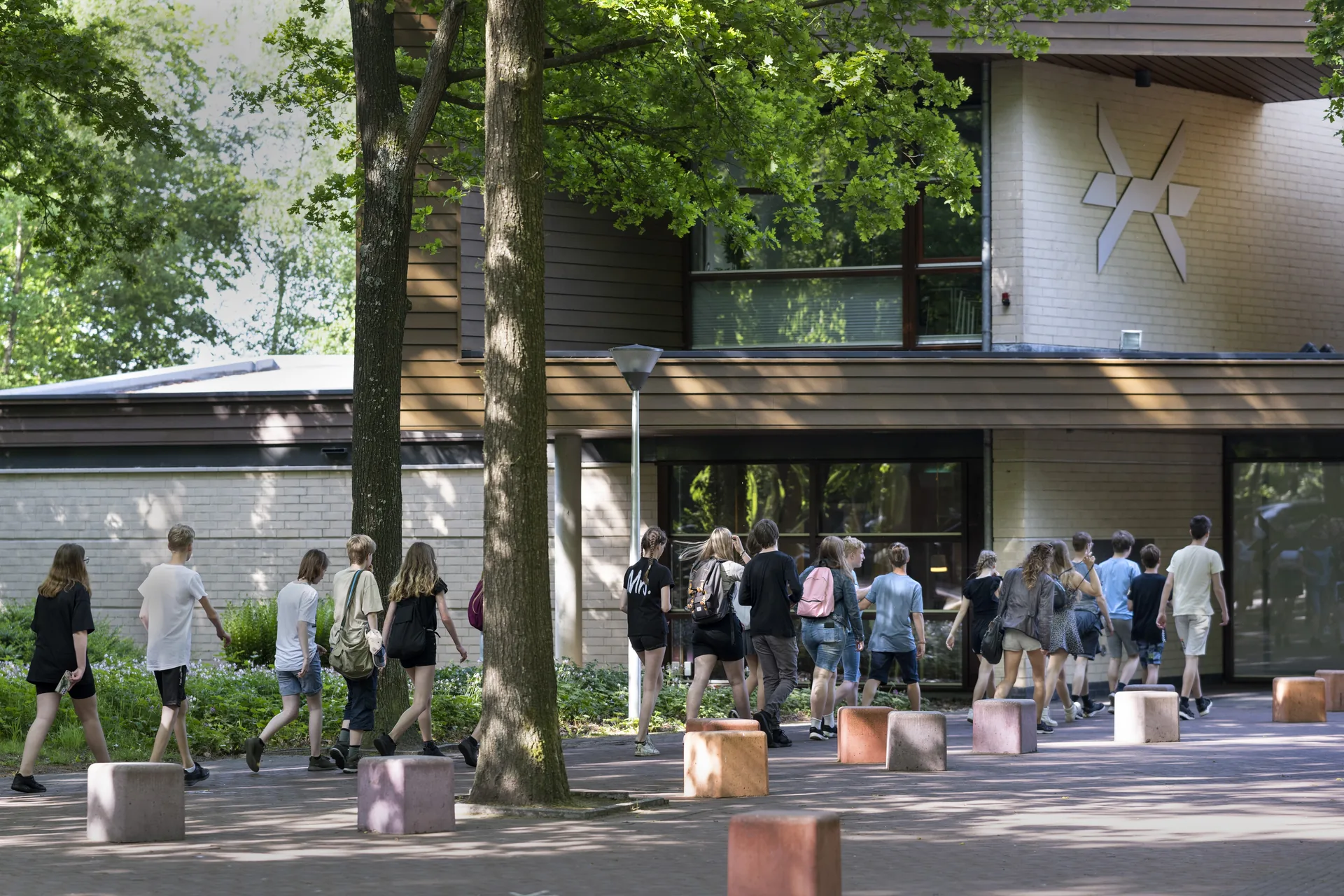
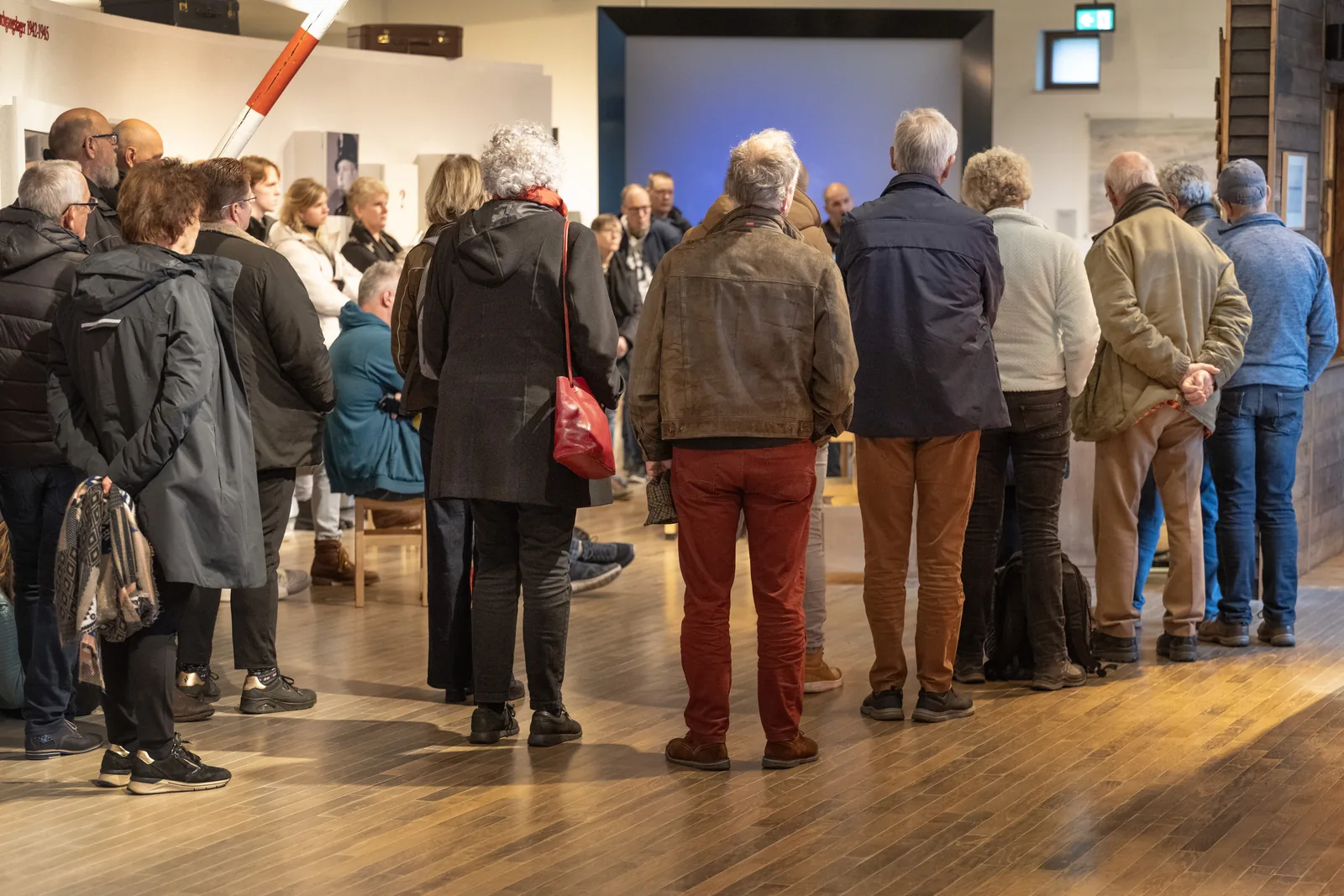
Your visit begins at the museum in Hooghalen. Its permanent exhibition uses personal stories to explore the lives of people deported through Camp Westerbork and others connected with the site's history. The museum also presents changing exhibitions.
From museum to camp grounds
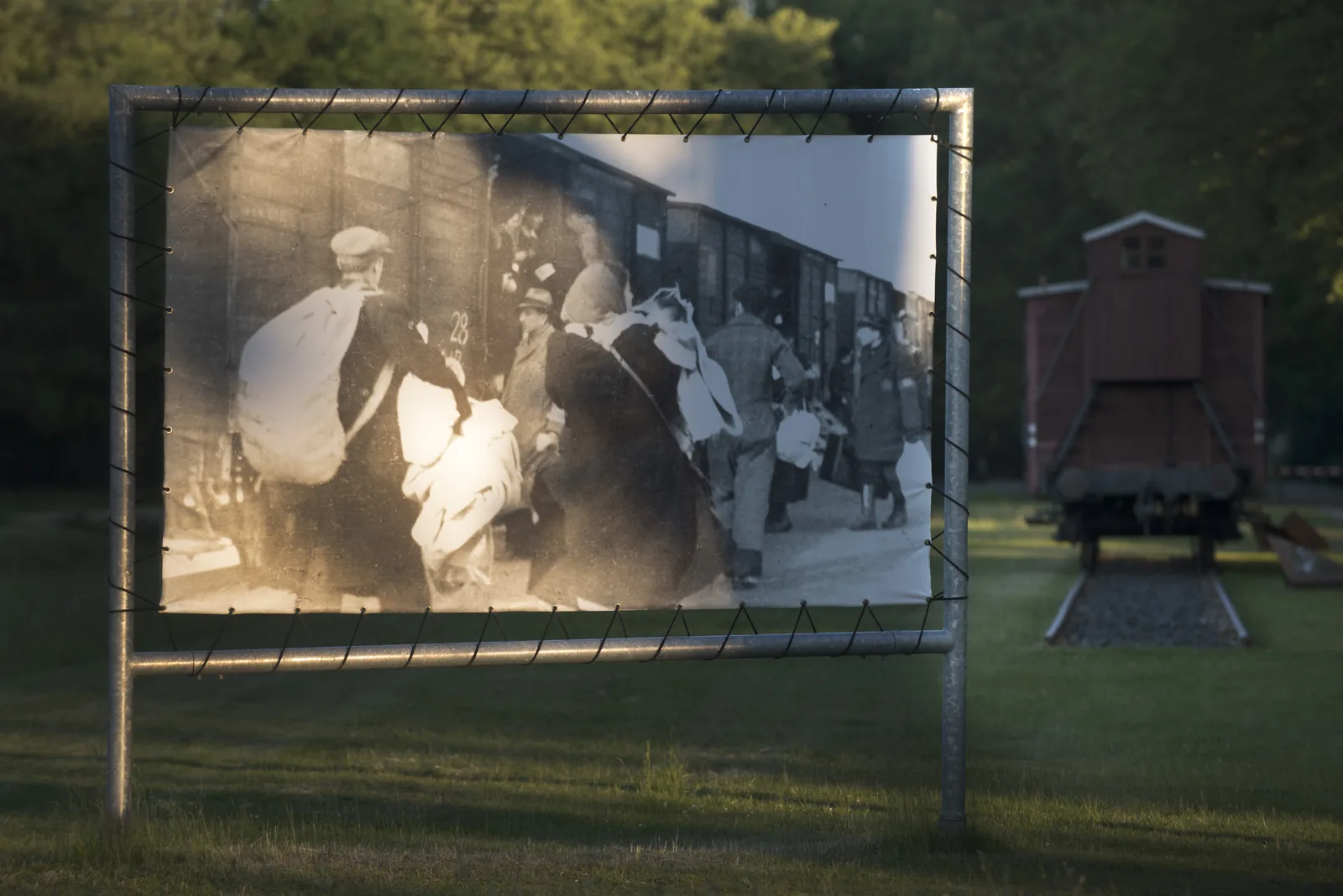
The former camp grounds are three kilometres from the museum. The former commandant's house, reconstructions and memorials recall the history of the transit camp. Allow time for both places and for the journey between them.
Memorials and later history
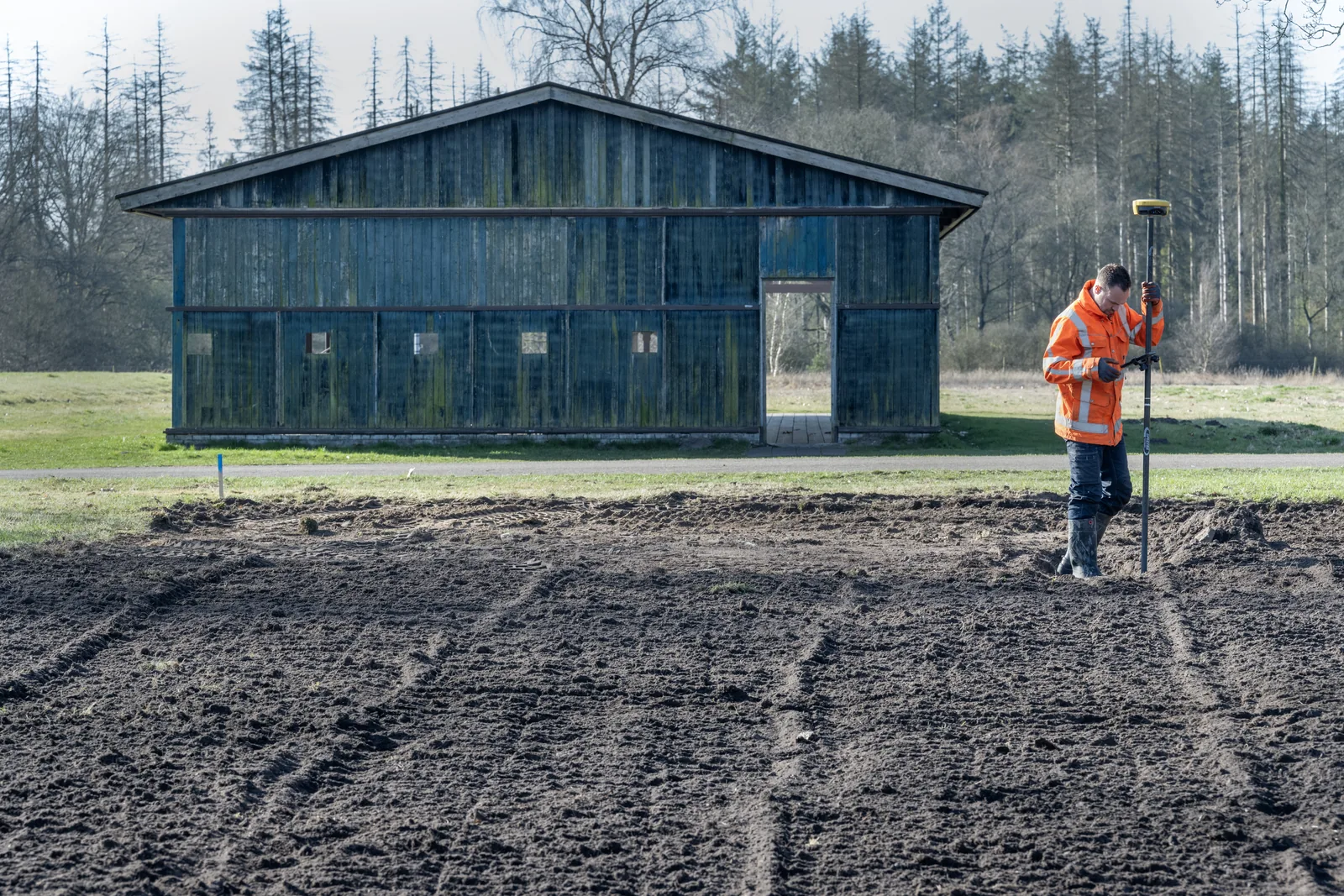
The National Monument Westerbork has railway tracks that curve upwards. The 102,000 Stones memorial commemorates Jewish, Sinti and Roma people murdered after deportation with individual stones. The Memorial Centre also addresses the site's later history, including Schattenberg, where Moluccan residents lived.
Before you go
According to the Memorial Centre, museum admission includes the shuttle bus to the former camp grounds and an audio tour. Park at the museum: private cars, buses and motorcycles cannot reach the grounds.