Watersnoodmuseum: four caissons carry the story of the flood
The last breach near Ouwerkerk was closed in 1953. Inside the concrete caissons, the museum explores loss, rebuilding and life with water.
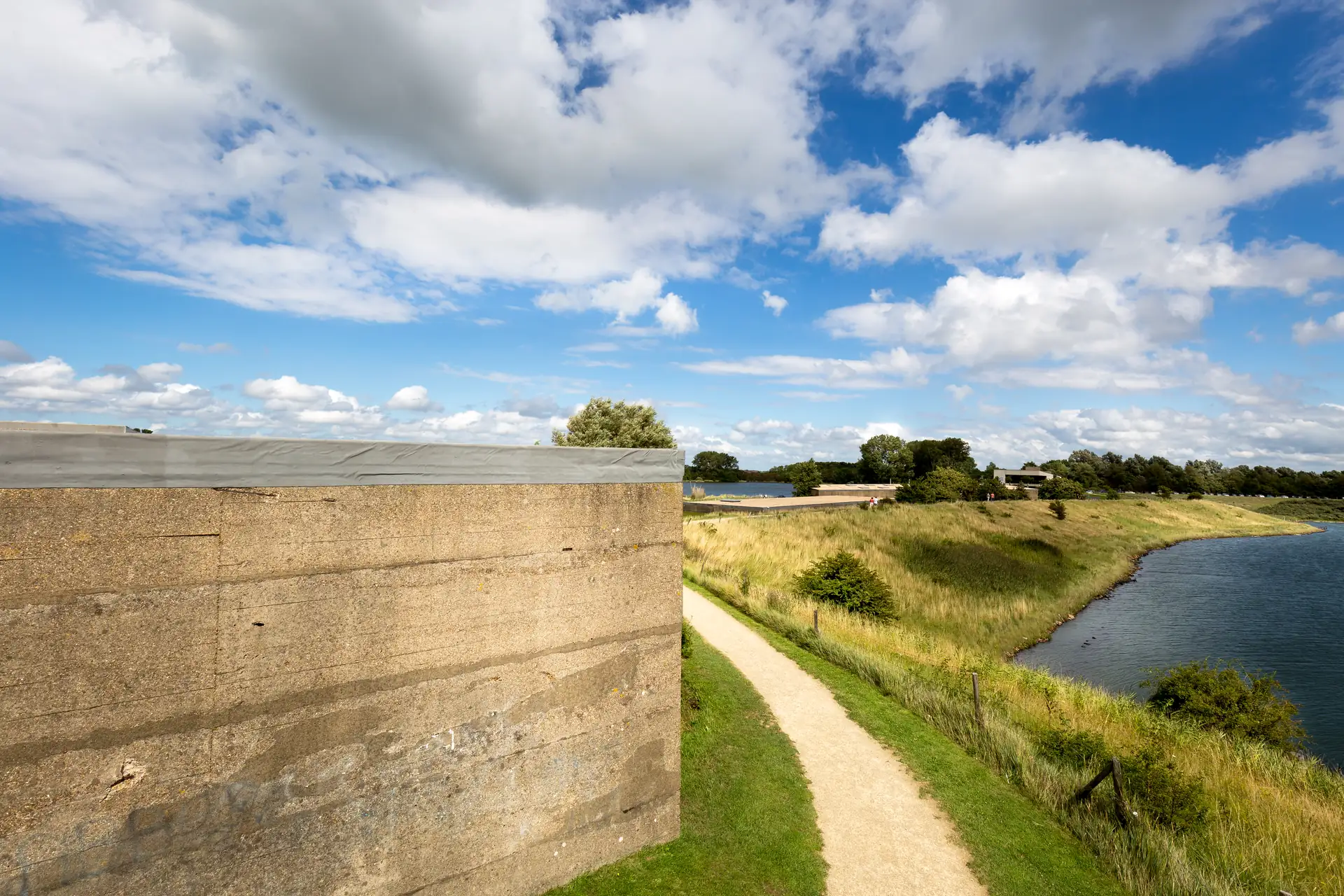
Approaching the Watersnoodmuseum near Ouwerkerk, visitors do not see an ordinary museum building. The four large concrete caissons that form its rooms were used after the 1953 North Sea flood to close the last breach in the dyke. The site therefore holds more than a collection of objects: the building itself is a tangible part of the history told inside.
Dykes gave way in many places during the night of 31 January to 1 February 1953. Near Ouwerkerk, water continued to flow through a large gap for months. On 6 November 1953, four Phoenix caissons finally closed this last breach. The concrete structures had originally been made for the Allied landings in Normandy.
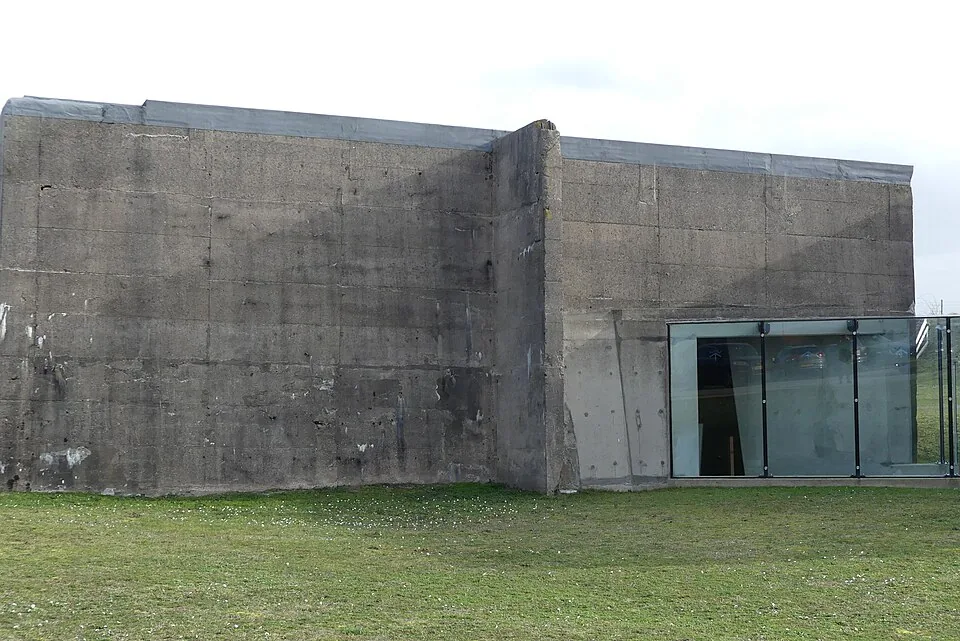

The museum route follows several layers of this history. Caisson one deals with the flood night, and caisson two with the consequences and emotions. The third and fourth address rebuilding and living with water. The presentation thus spans both 1953 and the years that followed.
The museum marks its 25th anniversary in 2026. It grew from an idea first developed on Schouwen-Duiveland in 1996, opened on 2 April 2001 and expanded into four caissons in 2009. An anniversary display looks back at the museum’s development.
The Watersnoodmuseum is at Weg van de Buitenlandse Pers 5 in Ouwerkerk. It is open daily from 10:00 to 17:00; the ticket desk closes at 16:15.