Huis Willet-Holthuysen presents the colonial history of former residents
Plantage aan de gracht begins on 16 October. The new exhibition connects the house’s period rooms with the colonial history of earlier residents.
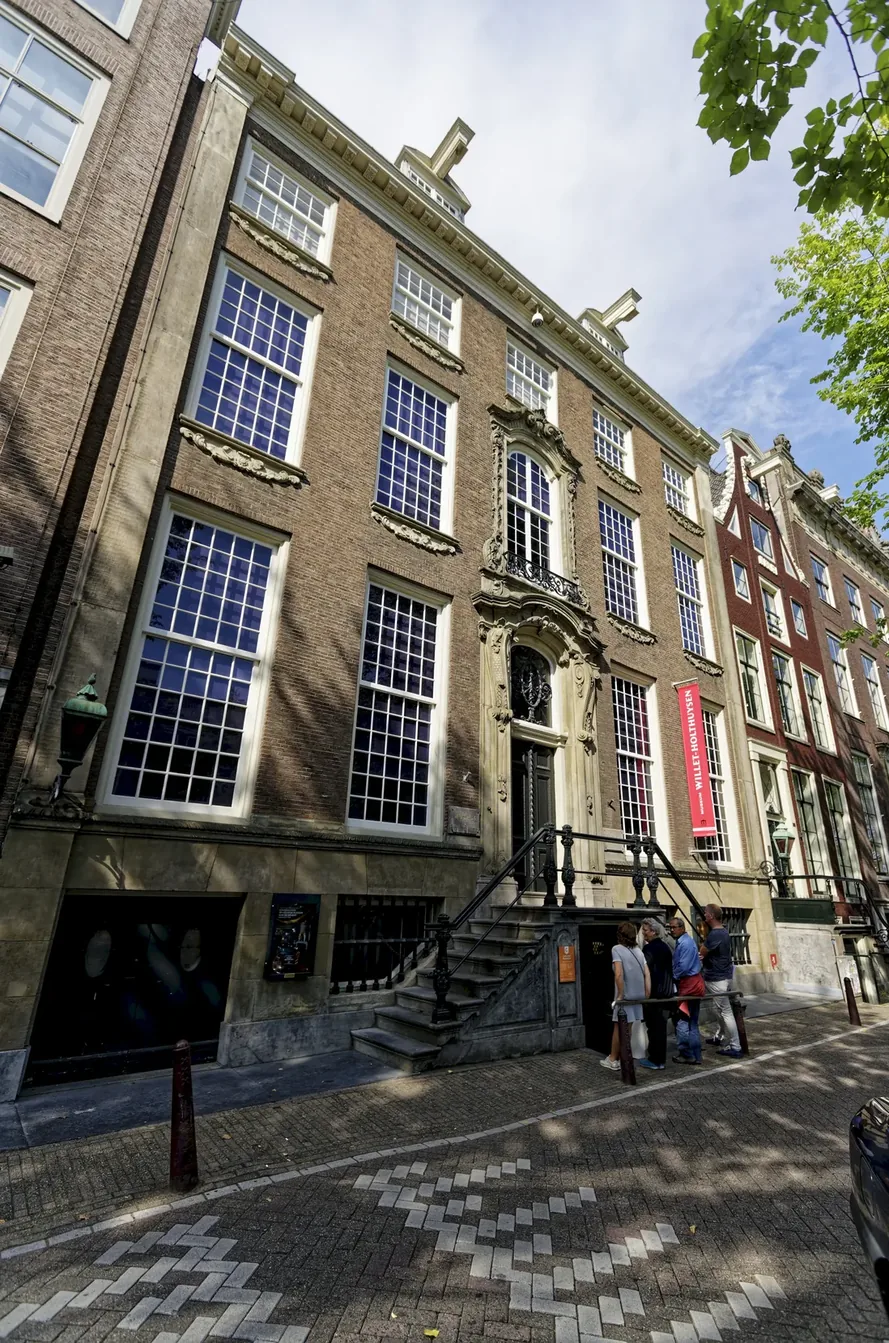
Huis Willet-Holthuysen on the Herengracht is one of the Amsterdam Museum’s sites. The mansion has period rooms recalling the lives of its wealthy residents. A garden lies behind the house. The house is named after Abraham Willet and Louisa Holthuysen, who lived here at the end of the nineteenth century. They collected art and objects and furnished the house to their taste. After Louisa died in 1895, her bequest transferred the house and collection to the city of Amsterdam, with the intention that it become a museum.
A tour reveals both the showpiece rooms and the work behind the scenes. The Amsterdam Museum highlights the Great Hall, monumental staircase and Abraham Willet’s art collection. Guided tours also address the work of the servants. A free audio tour in Dutch, English, French or German is available at the ticket desk.

On Friday 16 October, the Amsterdam Museum opens its exhibition Plantage aan de gracht. It runs through 4 April 2027. Its makers ask where the money for Amsterdam’s canal houses came from and focus on colonial trade and the exploitation of enslaved people. Their subject is residents who lived here before the couple for whom the house is named.
Two of those residents were Willem Gideon Deutz and Fredrik Berewout. According to the museum, Deutz was financially involved in more than a hundred plantations, while Berewout owned several, including Jagtlust in Suriname. The exhibition addresses both those who profited from the plantation system and the lives of people enslaved within it. Archive research uncovered names of people who worked at Jagtlust. An audio tour by presenter Dolores Leeuwin guides visitors through this history. Leeuwin is also a descendant of a woman enslaved at Jagtlust.
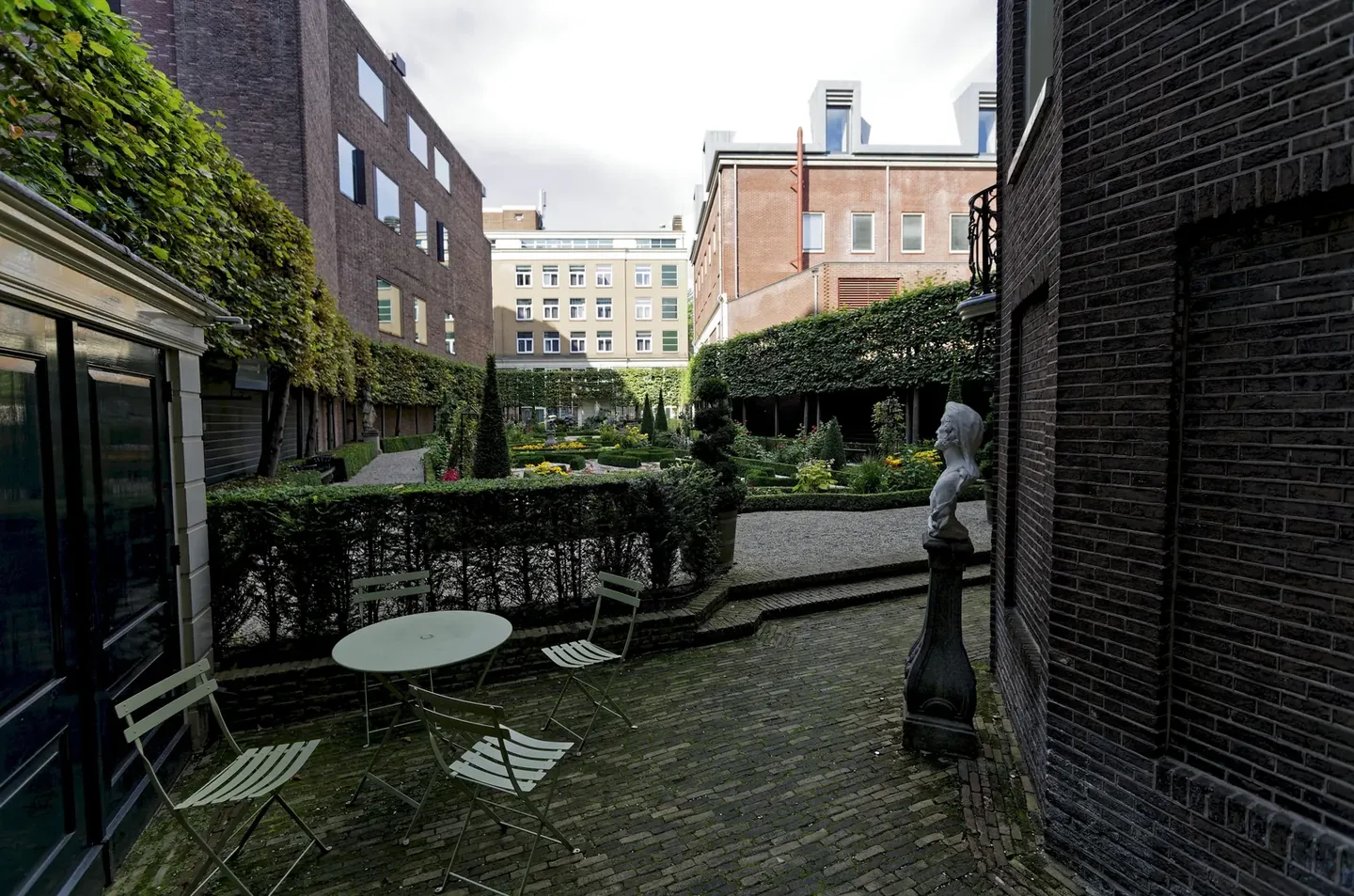
The garden becomes part of the story too. It will house A Conversation with the Past for the Future by Sites of Memory, made with Jörgen Gario and Judith Westerveld. According to the museum, the installation consists of portraits on flags and audio excerpts commemorating people enslaved at Jagtlust. The accompanying photograph shows the canal garden. A visit on opening day can take in both the established rooms and the new presentation.
A Dutch-language guided tour marking the Amsterdam Museum’s centenary is also scheduled for 16 October. It runs from 3 to 4 pm and is free with a valid admission ticket. The guide discusses the house and its collection. The museum otherwise opens daily from 10 am to 5 pm. Admission is €15 for adults and €7.50 for students and CJP cardholders. Children up to and including seventeen and Museumkaart holders, among others, enter free. The address is Herengracht 605, 1017 CE Amsterdam.
Take tram 4 to Rembrandtplein, or tram 14 or metro lines 51, 53 and 54 to Waterlooplein. The historic house has many stairs and no lift and is therefore, according to the museum, inaccessible to wheelchair and mobility-scooter users.